By Abid Farooqui, President and Founder, SilverLight Aviation. Abid has over 20 years of experience flying, designing, manufacturing, and supporting light sport aircraft. Abid has led FAA compliance processes and ASTM audits for multiple aircraft manufacturers, including Progressive Aerodyne, American Legend Cub, Evolution Trikes, Skyrunner, and Texas Aircraft Colt, and has worked directly with the FAA on the details of the MOSAIC rule. | Reviewed by Stacey Farooqui, MBA, Technical Writer and Content Strategist. Stacey has written technical documentation for aircraft and brings over a decade of aviation industry marketing experience.
Yes. If you hold a sport pilot certificate and a valid U.S. driver’s license, and you meet a few specific conditions, you can fly without an FAA medical certificate. The sport pilot certificate is your pilot credential. The driver’s license replaces the medical certificate. Together, they are what gets you airborne legally. That combination has opened aviation to thousands of people who assumed a health condition, a past medical denial, or simply a desire to avoid the FAA medical process had closed the door on flying.
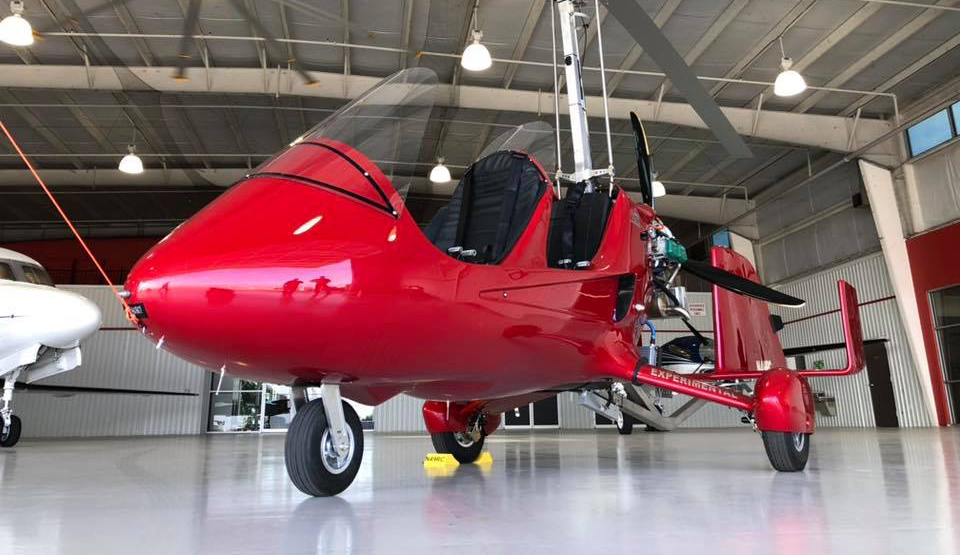
At SilverLight Aviation, we hear this question constantly, from first-time buyers researching the AR-1 gyroplane to experienced pilots who want to understand what MOSAIC Phase 1, which took effect October 22, 2025, changed for them. This article lays out the rules clearly, explains what MOSAIC does and does not change for the sport pilot medical standard, and tells you exactly what you need to know before you get airborne.
The Core Rule: Driver’s License in Place of a Medical
The sport pilot certificate was created by the FAA in 2004 specifically to expand access to aviation by eliminating the mandatory medical examination for certain operations. Under 14 CFR Part 61 Subpart J, a sport pilot may use a current and valid U.S. driver’s license as evidence of medical eligibility rather than holding a first-, second-, or third-class FAA airman medical certificate.
This is not a loophole. It is a deliberate policy choice by the FAA, based on the reasoning that anyone deemed medically fit to operate a motor vehicle on public roads can make the same self-assessment for sport pilot flight operations.
The key conditions you must meet to use your driver’s license as medical:
- Your U.S. driver’s license must be current and valid, with no suspensions or restrictions that would prevent you from driving.
- You must not have been denied an FAA medical certificate on your most recent application, and you must not have had a previously issued medical certificate suspended or revoked.
- You must not know of or have reason to know of any medical condition that would make you unable to operate an aircraft safely.
- You must comply with all restrictions and conditions listed on your driver’s license when flying.
That last point carries more weight than many pilots realize. If your driver’s license requires corrective lenses, you must wear them when exercising sport pilot privileges, just as you would when driving.
What MOSAIC Phase 1 Changed (and Did Not Change) for the Medical Standard
MOSAIC, the FAA’s Modernization of Special Airworthiness Certification rule, took effect in two phases. Phase 1 became effective October 22, 2025, and focused on pilot privileges and the aircraft that sport pilots may fly. Phase 2 takes effect July 24, 2026, and establishes the new light-sport category aircraft certification framework under FAR Part 22.
Here is what Phase 1 changed with respect to the medical standard: nothing. The driver’s license provision itself was not modified. Sport pilots may still use a valid driver’s license in place of an FAA medical for daytime VFR operations, under the same conditions that have applied since 2004.
What MOSAIC Phase 1 did change substantially is which aircraft a sport pilot certificate holder may fly while using that driver’s license as the medical standard. We cover that in the next section.
One significant expansion for certificated pilots: private pilots, commercial pilots, and ATP certificate holders may now exercise sport pilot privileges under their existing certificates, using a driver’s license in place of an FAA medical or BasicMed medical alternative for pilots, as long as they meet the sport pilot operating limitations. For pilots whose medical has lapsed and who have no history of a medical denial, suspension, or revocation, this can be a path to keep flying without re-entering the FAA medical process. Pilots with a disqualifying medical history remain ineligible for the driver’s license standard regardless of certificate level. See EAA’s guide to exercising sport pilot privileges under MOSAIC for full details on exercising sport pilot privileges under a higher-grade certificate.
Which Aircraft Can Sport Pilots Fly Without an FAA Medical After MOSAIC Phase 1?
This is where MOSAIC Phase 1 made a real difference. The old framework tied sport pilot eligibility to a narrow set of aircraft that met the original 2004 “light-sport aircraft” definition, including a 1,320-pound maximum gross weight limit. That definition has been replaced.
Under the post-October 2025 rules, a sport pilot may fly aircraft that, since original certification, meet all of the following performance and design criteria:
- A clean stall speed (VS1 with flaps up) of 59 knots calibrated airspeed or less, except that airplanes may use flaps-down VS0 of 61 knots CAS beginning July 24, 2026.
- A maximum of four seats, with the sport pilot carrying no more than one passenger.
- A non-pressurized cabin.
- A single engine only. Sport pilots are not eligible for a multi-engine rating.
- A maximum level flight speed (VH) of 250 knots calibrated airspeed.
No more weight limit. The old 1,320-pound cap is gone for airplanes. That opens many more existing aircraft to sport pilot operations, including some type-certificated airplanes that meet the stall and speed criteria.
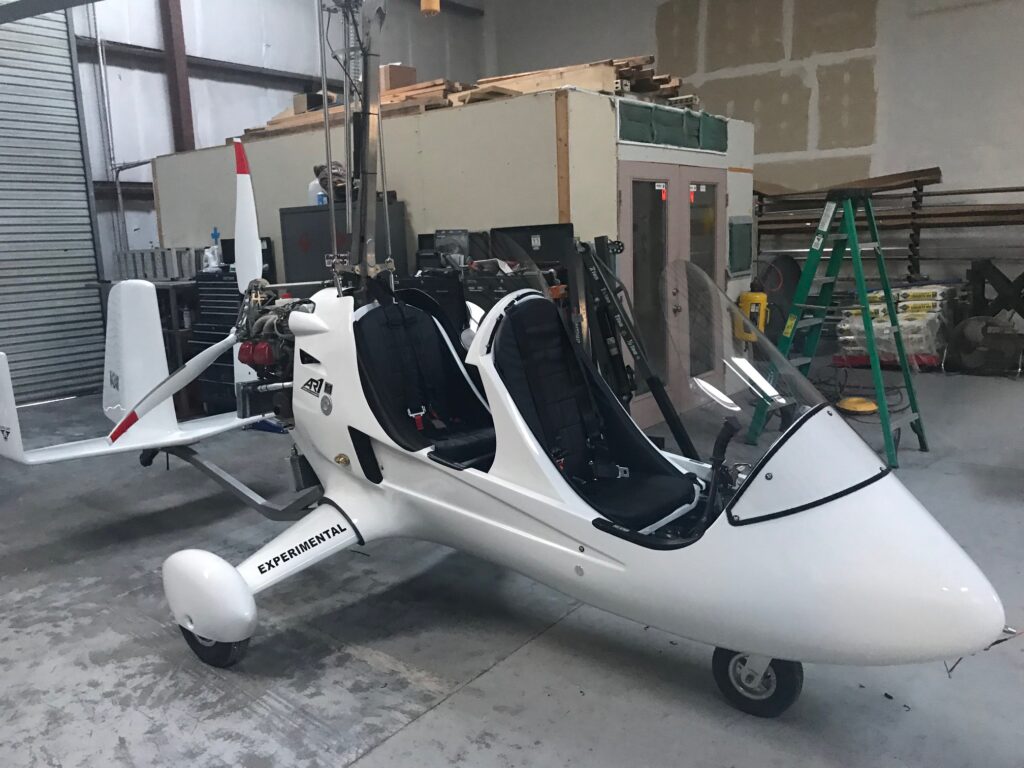
For pilots interested in the AR-1 gyroplane: the AR-1 is a two-seat, single-engine light-sport category gyroplane that a certificated sport pilot can fly using a valid driver’s license in place of an FAA medical, under the gyroplane class limits. Before MOSAIC, sport pilots could only fly gyroplanes certificated as Experimental Amateur-Built aircraft for the most part, and one Primary Category certified brand that met LSA weight limit of 1320 pounds gross and limited to 2 seats was also available. MOSAIC creates the first regulatory pathway for factory-built production gyroplanes issued under a special airworthiness certificate, which is a milestone for the gyroplane category that simply did not exist before. The first factory-built AR-1 gyroplanes will start being delivered in October 2026 as a direct result of the new MOSAIC rule.
What Happens If You Have a Medical History With the FAA?
This is the most important caveat in the entire sport pilot medical standard, and it catches more pilots off guard than any other rule.
If you have ever applied for an FAA medical certificate and that application was denied, or if your most recently issued medical certificate was suspended or revoked, you may not use a driver’s license in lieu of a medical to exercise sport pilot privileges. You would instead need to hold a valid FAA medical certificate to fly.
If you have never applied for an FAA medical certificate, you are generally free to use your driver’s license in place of a medical and fly on your sport pilot certificate, provided you meet all the other conditions above and you do not know of a medical condition that would prevent you from operating an aircraft safely.
The practical implication: if you are currently flying under a medical certificate and considering letting it lapse in favor of the sport pilot driver’s license standard, think carefully before your next medical application. A denial locks you out of the driver’s license pathway permanently unless the situation is resolved.
AOPA’s AOPA’s sport pilot medical eligibility resources is an excellent resource if you have questions about medical history and sport pilot eligibility. They provide free consultations and can help you understand your specific situation before you commit to any course of action.
Sport Pilot Training: What the Certificate Actually Requires
A sport pilot certificate is a genuine FAA pilot certificate, not a shortcut. You are held to real standards and tested on them. The path to the certificate includes:
- Ground training covering FAA regulations, aeronautical knowledge, weather, navigation, and airspace. You can complete this with a certified flight instructor (CFI) or through an approved home-study course.
- An FAA Knowledge Test (written exam), which requires an endorsement from your instructor or approved course provider.
- Flight training with a certificated flight instructor. The FAA minimum is 20 hours total flight time for an airplane sport pilot certificate, including at least 15 hours of dual instruction and 5 hours solo flight time.
- A practical test (checkride) with an FAA designated examiner, which includes an oral examination and a flight evaluation.
For the gyroplane category specifically, if you already hold a pilot certificate in another category and want to add a gyroplane sport pilot rating, there is no minimum flight time requirement in the regulations, though you must demonstrate proficiency to FAA Practical Test Standards. Proper training is essential regardless. We recommend gyroplane flight training with an experienced instructor before purchasing any aircraft.
For those interested in the airplane category, our AJ Sport airplane and the Recon quick-build kit airplane are both designed with sport pilots in mind. Both are excellent training platforms and everyday cross-country machines.
Night Flying, Cross-Country, and Airspace: Sport Pilot Limitations
The driver’s license medical applies to daytime VFR operations. If you want to fly at night as a sport pilot, you need at least a third-class medical certificate or BasicMed. Night operations also require specific training and an instructor endorsement.
Other key limitations for sport pilots include:
- Visual flight rules (VFR) only, unless additional training and endorsements are completed.
- Daytime operations only without a third-class medical or BasicMed and a night endorsement.
- No operations in Class B, C, or D airspace, or at airports with an operational control tower, without completing specific training and receiving the required endorsement.
- No compensation or hire. You may share operating costs with a passenger, but must pay at least half.
- No operations outside the United States without prior authorization from the host country.
These limitations cover almost every flight most recreational pilots want to make. Daytime, good weather, a local airport, a passenger or two, a $100 hamburger flight: the sport pilot certificate handles all of it without a medical exam.
Is the Sport Pilot Certificate Right for You?
If your goal is recreational flying, local flights, and the joy of being in the air without the overhead of the FAA medical system, the sport pilot certificate is worth serious consideration. The combination of accessible training, a lower total cost to certificate than a private pilot license, and the expanded aircraft options now available under MOSAIC Phase 1 makes this a more attractive entry point than at any point in the history of general aviation.
If you are considering the AR-1 gyroplane, the Recon, or the AJ Sport, reach out to us directly. We can walk you through what the certificate path looks like for your situation, connect you with training resources in your area, and help you understand how each aircraft fits your flying goals.
For current pricing on any of our aircraft, visit our gyroplane and airplane pricing page. Pricing reflects current market conditions and is updated regularly.
Ready to fly?
Explore our aircraft: AR-1 Gyroplane | Recon Airplane | AJ Sport Airplane
Get started: Learn to Fly a Gyroplane | Current Pricing | Contact Us
Are you an aircraft manufacturer navigating MOSAIC compliance? Our aviation engineering consultancy services are built for exactly this transition.
FAQ: Sport Pilot Medical and Privileges
Can I fly without a medical certificate?
Yes, if you hold a sport pilot certificate or are exercising sport pilot privileges, you can fly without an FAA medical certificate by using a valid U.S. driver’s license, provided you have never had a medical application denied and you have no known medical condition that would prevent safe aircraft operation.
What is the sport pilot medical rule?
Under 14 CFR Part 61 Subpart J, sport pilots may substitute a valid U.S. driver’s license for an FAA medical certificate during daytime VFR operations. This rule has been in place since 2004 and was not changed by the MOSAIC final rule.
Does MOSAIC change the sport pilot medical requirements?
No. MOSAIC Phase 1, effective October 22, 2025, expanded the range of aircraft sport pilots may fly and extended sport pilot privileges to holders of higher-grade certificates, but it did not change the core requirement. Sport pilots still use a driver’s license in place of an FAA medical for daytime VFR operations.
Can I fly a gyroplane with a sport pilot certificate and no medical?
Yes. A sport pilot certificate with a gyroplane class rating allows you to fly a two-seat, single-engine gyroplane that meets the applicable performance criteria, using a valid driver’s license in place of an FAA medical certificate. The SilverLight Aviation AR-1 is such an aircraft.
What if I was previously denied an FAA medical certificate?
If your most recent FAA medical application was denied, or if your most recently issued medical certificate was suspended or revoked, you cannot use a driver’s license in place of a medical to exercise sport pilot privileges. You would need a valid FAA medical certificate. Contact AOPA’s Pilot Information Center for guidance on your specific situation.
Can a private pilot fly without a medical under MOSAIC?
Yes. Beginning October 22, 2025, private pilots, commercial pilots, and ATP holders may exercise sport pilot privileges under their existing certificates using a valid driver’s license in place of an FAA medical or BasicMed, as long as they operate within sport pilot aircraft and operating limitations. No additional paperwork or checkride is required to begin exercising these privileges.
How long does it take to get a sport pilot certificate?
Most students complete a sport pilot certificate in 20 to 40 hours of total flight time, depending on the category, frequency of training, and individual aptitude. The FAA minimum for an airplane sport pilot is 20 hours total flight time. Ground training and the knowledge test are completed alongside flight training.
What aircraft can I fly as a sport pilot after MOSAIC Phase 1?
After October 22, 2025, sport pilots may fly single-engine aircraft that, since original certification, have a clean stall speed of 59 knots CAS or less, a maximum of four seats (with one passenger permitted), a non-pressurized cabin, and a maximum level flight speed of 250 knots CAS. The old 1,320-pound weight limit for airplanes has been eliminated. Category-specific limits still apply for gyroplanes and other non-airplane categories.
ABOUT THE AUTHOR
Abid Farooqui — President and Founder, SilverLight Aviation
Abid Farooqui is the President and Founder of SilverLight Aviation, the Zephyrhills, Florida-based manufacturer behind the award-winning American Ranger 1 (AR-1) gyroplane and the Recon quick-build kit airplane. Established in 2012, SilverLight Aviation has grown under Abid’s leadership into one of the most respected names in light sport aircraft manufacturing in the United States.
With over 20 years of experience flying, designing, manufacturing, and supporting light sport aircraft, Abid is a recognized expert in FAA airworthiness certification and ASTM compliance for light-sport aircraft. He has successfully led compliance processes and FAA audits for multiple aircraft manufacturers, including Progressive Aerodyne (SeaRey amphibian airplane), American Legend Cub (Super Legend), Evolution Trikes, Skyrunner, and Texas Aircraft Colt. Abid has also worked directly with the FAA on the details of the MOSAIC rule, giving him firsthand insight into the regulatory changes reshaping light sport aviation.
Abid’s expertise in the evolving MOSAIC regulatory landscape has led SilverLight Aviation to expand its aviation engineering consultancy services to include MOSAIC compliance guidance for aircraft manufacturers. He is a sought-after voice in the light sport aviation industry on topics including ASTM standards for light-sport aircraft certification, FAA certification, and the practical implications of the new light-sport category rules for both manufacturers and pilots.
Read more articles by Abid on the SilverLight Aviation blog.
SOURCES
- FAA Sport Pilot — Licenses & Certificates. Federal Aviation Administration. Accessed March 20, 2026.
- 14 CFR Part 61 Subpart J — Sport Pilots. eCFR. Accessed March 20, 2026.
- A New Era of Sport Aviation. AOPA. August 14, 2025.
- Medical Resources — Pilot Information Center. AOPA. Accessed March 20, 2026.
- BasicMed. AOPA. Accessed March 20, 2026.
- How to Become a Sport Pilot. EAA. Accessed March 20, 2026.
- Current Sport and Private Pilots — MOSAIC. EAA. Accessed March 20, 2026.
- Guide for Aviation Medical Examiners — Sport Pilot Medical Provisions. FAA. Accessed March 20, 2026.
- American Ranger 1 (AR-1) Gyroplane. SilverLight Aviation. Accessed March 20, 2026.
- Learn to Fly a Gyroplane. SilverLight Aviation. Accessed March 20, 2026.