Part 22 Is Now Law: What Every Light-Sport Aircraft Manufacturer Must Do Before July 24, 2026
By Abid Farooqui, President and Founder, SilverLight Aviation. Abid has over 20 years of experience flying, designing, manufacturing, and supporting light sport aircraft. He has led FAA compliance processes and ASTM audits for multiple aircraft manufacturers and has worked directly with the FAA on the details of the MOSAIC rule. | Reviewed by Stacey Farooqui, MBA, Technical Writer and Content Strategist. Stacey has written technical documentation for aircraft and brings over a decade of aviation industry marketing experience.
Quick answer: The FAA’s MOSAIC rule established 14 CFR Part 22 as the regulatory framework for light-sport category aircraft, with Phase 2 taking effect July 24, 2026. After that date, the pre-MOSAIC ASTM consensus standards are no longer the accepted compliance basis for new light-sport category aircraft certifications. Every manufacturer currently producing aircraft in this category needs a documented Part 22 compliance path now. This article explains what the transition requires, what the new ASTM F37 standards cover, and how to scope a compliance project before the deadline.
The FAA’s MOSAIC rule established 14 CFR Part 22 as the dedicated regulatory framework for the light-sport category, with Phase 2 taking effect July 24, 2026. For manufacturers currently producing aircraft in the light-sport category, that date marks the end of the pre-MOSAIC ASTM compliance framework and the beginning of a new one. If your company is not already on a documented Part 22 compliance path in an active project, your production timeline is at risk.
What the Part 22 Transition Means for Current Production
The original 2004 LSA rulemaking allowed manufacturers to self-certify aircraft as Special Light-Sport Aircraft by demonstrating compliance with FAA-accepted ASTM consensus standards. That framework served the industry for over two decades. Part 22 replaces it with a dedicated Federal Aviation Regulation that applies to all new light-sport category aircraft produced after July 24, 2026.
The ASTM consensus standards used under the pre-MOSAIC framework are superseded by new ASTM F37 standards developed specifically to align with Part 22 requirements. Manufacturers cannot continue using the old standards as the compliance basis for new aircraft certifications after that date. This affects every company producing light-sport category aircraft, regardless of how long they have been in the market.
The urgency here is on the production side: any aircraft you manufacture, certificate, and deliver after July 24, 2026 must comply with the new Part 22 standards and the updated ASTM F37 framework. Production timelines, engineering documentation, product manuals, continued operational safety system, and quality systems all need to reflect this transition.
The New ASTM F37 Standards: A Modular Framework
The ASTM Committee F37 on Light Sport Aircraft has been developing the standards that align with Part 22 requirements. Unlike the previous framework’s relatively consolidated structure, the new standards are modular. There are integration standards per category that refer to a myriad of other modular standards covering the specific structural, flight characteristics and performance, electrical, fuel containment, occupant safety, landing gear, electrical system, night flight, powerplant, propeller, and systems requirements applying to all categories. Cross-cutting standards cover Quality Assurance, Required Product Information, and Continued Operational Safety across all categories as well. Standards like IMC currently apply only to airplanes
This modularity has a practical implication for manufacturers: standard selection is not automatic. Your engineering and compliance team must identify the exact ASTM F37 standards applicable to your aircraft design configuration and category. Selecting the wrong standards, or missing applicable standards entirely, creates compliance gaps that surface at the worst possible time.
The design standards address structural loads across flight, ground, emergency, and concentrated mass scenarios; occupant safety; landing gear; electrical systems; propulsion compliance; flight stability; performance and flight characteristics; aeroelastic behavior; control surface and pilot control forces; and night flight, among others. Optional standards cover IMC flight and whole-plane parachute systems where applicable. Each must be addressed in the compliance package with test plans, test reports, and formal documentation. You have to figure out what applies in a certain modular standard to your category of aircraft and in what way to show proper compliance for your type of aircraft.
Performance-Based Compliance: What Your Engineering Team Faces
The pre-MOSAIC ASTM standards included design parameters that manufacturers could demonstrate directly. The new performance-based approach under Part 22 specifies what an aircraft must demonstrate in operation and under structural load, not how it must be built. This creates more engineering latitude, but it also requires your compliance team to plan and execute a broader, more structured test program.
Structural load calculations, flight test planning, and test report writing are first-class engineering deliverables under Part 22. They must be structured to the applicable ASTM F37 standards, executable on your specific airframe, and defensible in front of FAA auditors. If your engineering team has not worked through a Part 22 compliance process before, the learning curve is real.
This is one of the strongest arguments for working with a consultant who has direct experience inside the ASTM F37 standards development process, not just experience applying finished standards. Understanding what the standards intend and how they were written makes a material difference when test results are borderline or when an auditor questions a compliance approach.
Quality Systems and Required Product Information
Part 22 compliance is not limited to the aircraft design. The Quality Management System governing your production operations must also meet ASTM F37 QA standard requirements. This covers document change control, engineering change control, materials review processes, vendor qualification and audits, production travelers, quality inspections, configuration management, first article inspection, and record-keeping for the life of the aircraft model.
Required Product Information, specifically your Pilot Operating Handbook, Flight Training Supplement, and Maintenance and Inspection Procedures, must also be structured to ASTM F37 RPI standard specifications. These are not user guides. They are compliance documents, and their content, format, and completeness are auditable against the standard.
The design compliance package, the QMS, and the Required Product Information form the three pillars of a Part 22 compliance program. All three must be complete and defensible before the first aircraft under the new framework can be certificated and delivered.
Continued Operational Safety: The Ongoing Obligation
Under Part 22, Continued Operational Safety is a formal, ongoing obligation for the life of the aircraft model. Your COS program must include a customer feedback mechanism, a Major Repair Authorization process, a tracking system for service issues, and maintained records that document the program’s operation over time.
For manufacturers who have been operating informally in this area under the pre-MOSAIC framework, formalizing the COS program to ASTM standard specifications often requires more effort than expected. It is not enough to have good customer relationships. The program structure, documentation, and record-keeping must be demonstrably compliant.
How a Part 22 Compliance Project Actually Runs
The scope of a ASTM F37 compliance project for a light-sport aircraft manufacturer varies by company size, existing documentation maturity, aircraft complexity, and the number of categories being certified. A manufacturer with organized engineering records, a functioning QMS foundation, and experienced staff will start from a different position than one building from scratch. This is why a scoping engagement, typically one or two meetings plus a possible discovery visit, is the right starting point before any work begins.
SilverLight Aviation manages compliance projects using AGILE methodology structured around defined SPRINTs with deliverables at the end of each cycle. This keeps programs moving, surfaces blockers early, and gives management clear visibility into progress against the certification timeline. The approach is tracked in Jira, so every stakeholder knows what has been completed, what is in progress, and what is coming next.
Services can be scoped as a base consulting package, where company resources do the detailed work under expert guidance, or expanded to include direct engineering services such as load calculations, test plan writing, manual authoring, and compliance flight test support. Most companies need a combination, and understanding that balance early is key to building an accurate project timeline and budget.
Why Credentials Matter More Than Ever
Not all aviation compliance consultants have worked inside the ASTM F37 standards development process. Abid Farooqui, President and Founder of SilverLight Aviation’s aviation engineering consultancy, has been directly involved in developing the upcoming ASTM consensus standards that align with Part 22 requirements. This includes involvement in category-specific design standards as well as the cross-cutting standards for QA, Required Product Information, and Continued Operational Safety.
Abid has led FAA compliance processes and ASTM audits for light-sport aircraft manufacturers. He has also worked directly with the FAA on the MOSAIC rule itself. That combination of standards development involvement, manufacturer compliance leadership, and direct FAA engagement is not available from most consultancies.
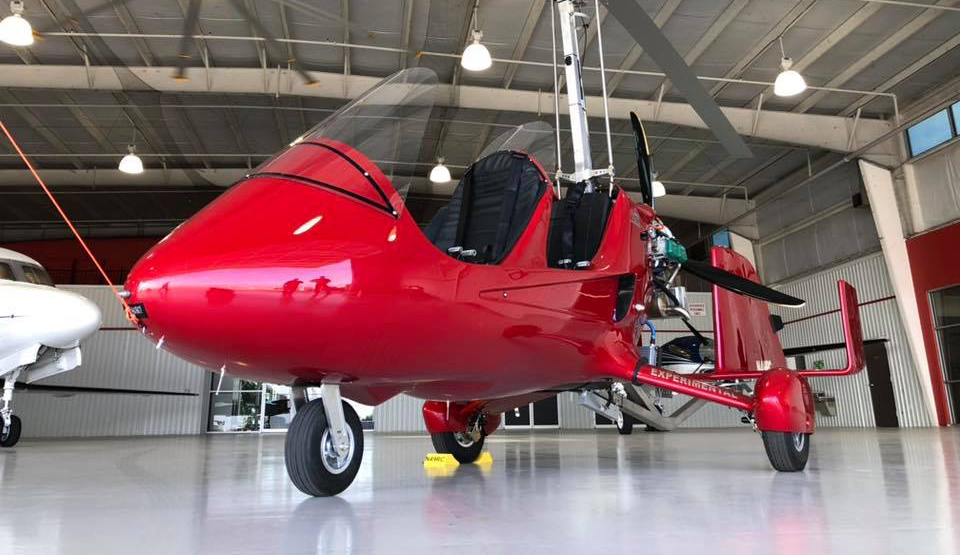
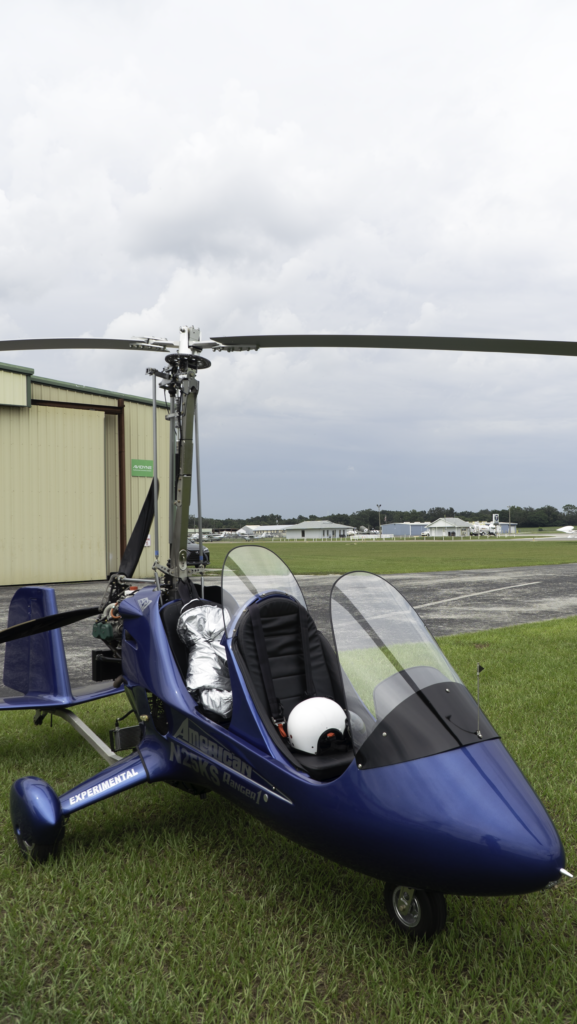
SilverLight Aviation is also a light-sport aircraft manufacturer, producing the American Ranger 1 (AR-1) gyroplane and the Recon quick-build kit airplane. We are building to the same standards we help other manufacturers navigate. The first factory-built AR-1 gyroplanes will begin deliveries in October 2026 as a direct result of the new MOSAIC framework.
Ready to Start Your Part 22 Compliance Program?
The July 24, 2026 deadline is firm. If your light-sport aircraft production program does not have a Part 22 compliance path today, the time to start is now. SilverLight Aviation offers a discovery engagement to scope your Part 22 compliance project, identify gaps, and build a realistic project plan before production timelines are affected. Reach out to discuss what a compliance program looks like for your specific aircraft and organization.
Schedule a Part 22 compliance discovery consultation
Learn more about SilverLight’s ASTM F37 and Part 22 consulting services
FAQ
What happens to existing S-LSA aircraft already on the market after July 24, 2026?
Existing light-sport category aircraft already certificated and operating under the pre-MOSAIC framework are not automatically affected by Part 22. The compliance requirement applies to new aircraft production and certifications after July 24, 2026. However, manufacturers seeking to continue production of the same model must comply with the new Part 22 and ASTM F37 standards for continued production. Consult with a qualified aviation compliance consultant familiar with the Part 22 transition to understand exactly where your existing program stands.Existing light-sport category aircraft already certificated and operating under the pre-MOSAIC framework are not automatically affected by Part 22. The compliance requirement applies to new aircraft production and certifications after July 24, 2026. However, manufacturers seeking to continue production of the same model must comply with the new Part 22 and ASTM F37 standards for continued production. Consult with a qualified aviation compliance consultant familiar with the Part 22 transition to understand exactly where your existing program stands.
Do I need to comply with Part 22 if I am already certificated under the old ASTM standards?
If you intend to continue manufacturing and certificating new aircraft in the light-sport category after July 24, 2026, you need to comply with the new Part 22 and the updated ASTM F37 standards framework. The pre-MOSAIC consensus standards used for S-LSA certification are no longer the accepted compliance path for new certifications under Part 22. The specific obligations for your program depend on your aircraft category, production structure, and existing documentation. A scoping engagement with a Part 22 compliance specialist is the right first step.
What new ASTM F37 standards will manufacturers need to comply with under Part 22?
The new ASTM F37 standards are organized modularly: design standards by aircraft category (covering structural loads, occupant safety, systems, propulsion, and performance), plus cross-cutting standards for Quality Assurance, Required Product Information, and Continued Operational Safety. The specific standards applicable to your aircraft depend on its category, configuration, and optional features. Correct standard selection is a foundational step in any Part 22 compliance program and requires knowledge of both the standards and the FAA’s current expectations.
How long does a Part 22 ASTM F37 compliance project typically take?
Project duration depends on the company’s existing documentation maturity, engineering staff capacity, aircraft complexity, and how many standards need to be addressed. There is no single universal timeline. A structured discovery engagement for ASTM F37 compliance is the appropriate way to estimate scope and timeline accurately for your specific situation. AGILE project management with defined SPRINTs helps keep complex compliance programs on schedule.
What is the difference between the base consulting package and additional engineering services?
The base consulting package assumes that your company’s own engineering and QA resources will execute the detailed compliance work, with guidance, interpretation, and review from the consultant. Additional services include direct engineering deliverables such as load calculations, test plan writing, manual authoring, compliance flight test support, and standards checklist completion. Most companies need a combination. The right scope is determined through a discovery engagement, not assumed in advance.
How does the performance-based approach in Part 22 differ from the old ASTM standards?
The new standards have a completely different architecture, with an integration standard per category of aircraft pointing to functional modular standards like Structures, Occupant Safety, Landing Gear, Systems and Equipment, Electrical Systems, Fuel Storage, etc. that apply to all categories, but your category of aircraft needs to determine how to apply it appropriately. Before, all these items were aircraft category-specific in one document. In addition, Maintenance and Continued Operational Safety standards and even the QA standard have been updated to a certain point, and requirements for training have been updated.
About the Author
Abid Farooqui, President and Founder, SilverLight Aviation
Abid Farooqui is the President and Founder of SilverLight Aviation, the Zephyrhills, Florida-based manufacturer behind the award-winning American Ranger 1 (AR-1) gyroplane and the Recon quick-build kit airplane. Established in 2012, SilverLight Aviation has grown under Abid’s leadership into one of the most respected names in light sport aircraft manufacturing in the United States.
With over 20 years of experience flying, designing, manufacturing, and supporting light sport aircraft, Abid is a recognized expert in FAA airworthiness certification and ASTM compliance for light-sport aircraft. He has successfully led compliance processes and FAA audits for multiple aircraft manufacturers. Abid has also worked directly with the FAA on the details of the MOSAIC rule, giving him firsthand insight into the regulatory changes reshaping light sport aviation.
Abid’s expertise in the evolving MOSAIC regulatory landscape has led SilverLight Aviation to expand its aviation engineering consultancy services to include MOSAIC compliance guidance for aircraft manufacturers. He is a sought-after voice in the light sport aviation industry on topics including ASTM standards for light-sport aircraft certification, FAA certification, and the practical implications of the new light-sport category rules for both manufacturers and pilots.
Read more articles by Abid on the SilverLight Aviation blog.